U.S. Strikes $80 Billion Deal with Westinghouse to Build Nuclear Reactors for AI-Era Power Demand
11/11/20251 min read
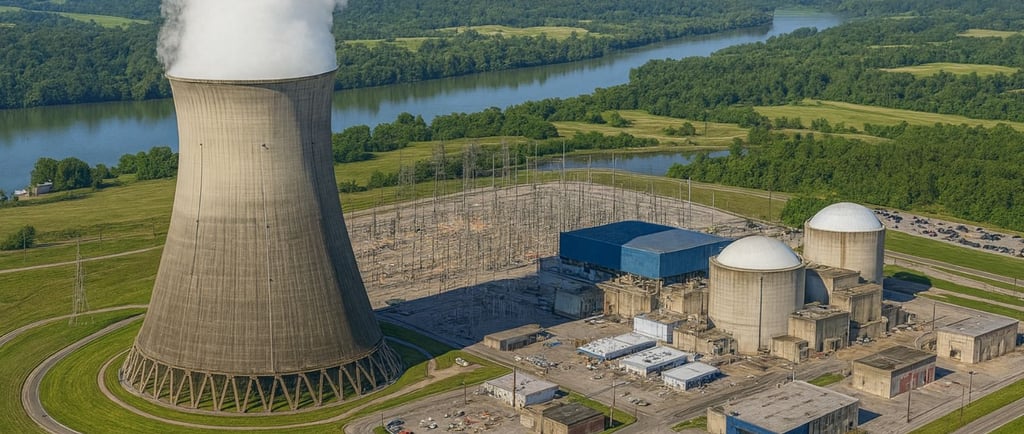
Washington approved an $80 billion program with Westinghouse’s owners, Brookfield Asset Management and Cameco, to accelerate a fleet of reactors as data-center electricity demand surges. It’s one of the biggest U.S. energy partnerships in decades and a clear signal that 24/7, low-carbon baseload is strategic infrastructure for AI.
Under the agreement, the U.S. will help arrange financing and permitting for Westinghouse builds, with a profit-share kicker: the government receives 20% of Westinghouse cash distributions above $17.5 billion, plus the right to force an IPO by 2029 and take up to a 20% equity stake if valuation exceeds $30 billion. Reporting ties the plan to deployments of Westinghouse AP1000 large reactors (and potentially AP300 SMRs) across multiple sites. Stocks reacted fast: Cameco rose >25% on the news.
The pact arrives as AI data centers push U.S. power demand higher for the first time in two decades. It follows a wave of tech–nuclear tie-ups, including Google’s 25-year deal with NextEra to restart Iowa’s Duane Arnold plant and Microsoft’s backing of a Three Mile Island unit—evidence that hyperscalers are locking in round-the-clock clean power. Japan is also poised to participate, with up to $332 billion in U.S. infrastructure support referenced alongside Westinghouse reactor exports.
This isn’t just a headline number. The $80 billion headline capital plus the 20% profit-share and 2029 IPO option align public upside with private delivery and could de-risk multi-gigawatt builds. If executed on time and budget, the structure becomes a template for gigawatt-scale public-private projects—and a durable floor under nuclear’s role in powering the AI economy.